Criticisms
A collection of lectures, essays, field research, and notes.
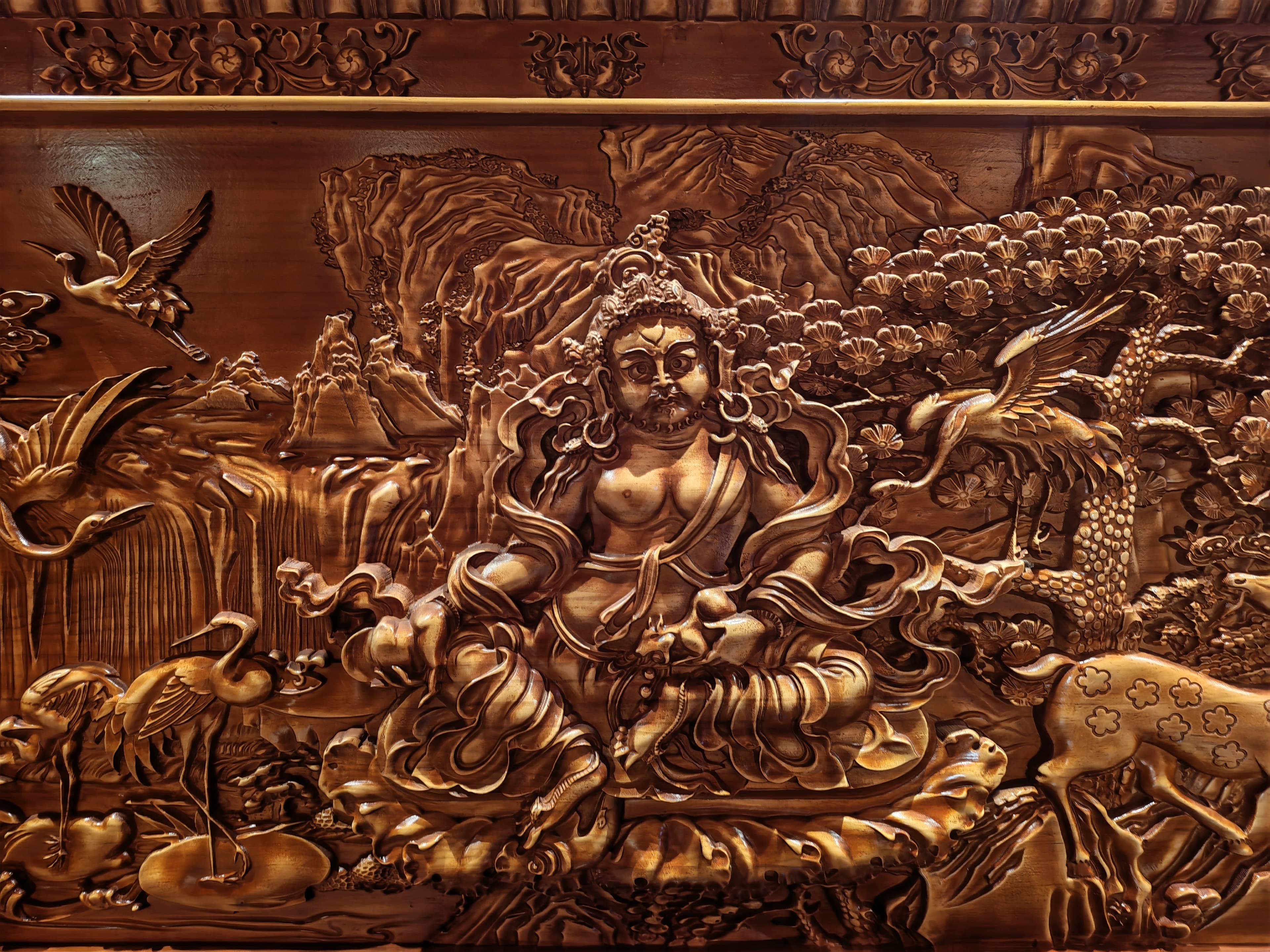
Iconographic Verification and Serendipitous Fieldwork: A Field Note on Identifying Deities in a Sichuan-Tibet Border Jingtang
This field note details an unexpected ethnographic encounter and iconographic verification process during a Sichuan-Tibet border journey. What began as a casual visit to Chuansi Temple and Gami Monastery culminated in a crucial, impromptu "field investigation" within a local homestay's private shrine room (Jīngtáng). The record traces the journey of identifying two key Buddhist images: the initial misidentification of a Yellow Jambhala (黄财神) relief, corrected through expert group chat verification by analyzing features such as the peaceful aspect and Jewel-Spitting Mongoose; and the subsequent analysis of a vibrant Five-Color Dakinis (五色空行母) thangka.
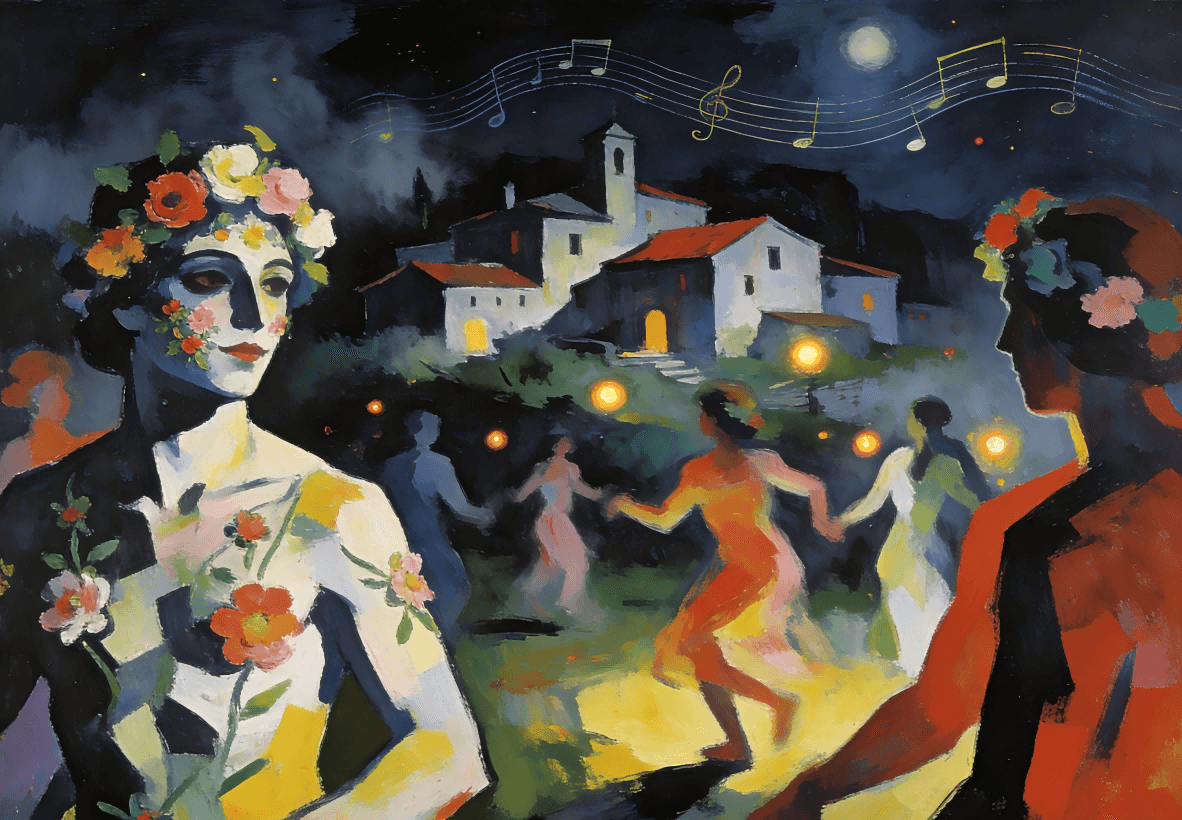
Pratofungo: The "Paradiso dei Malati" Isolated from the World
In Italo Calvino's The Cloven Viscount, Pratofungo is a secluded village for lepers, depicted as a 'Paradise of the Sick' where isolation fosters a decadent happiness. This short review explores its themes of exclusion, self-deception, and the tragedy of societal rejection, drawing parallels to modern psychoanalytic communities.
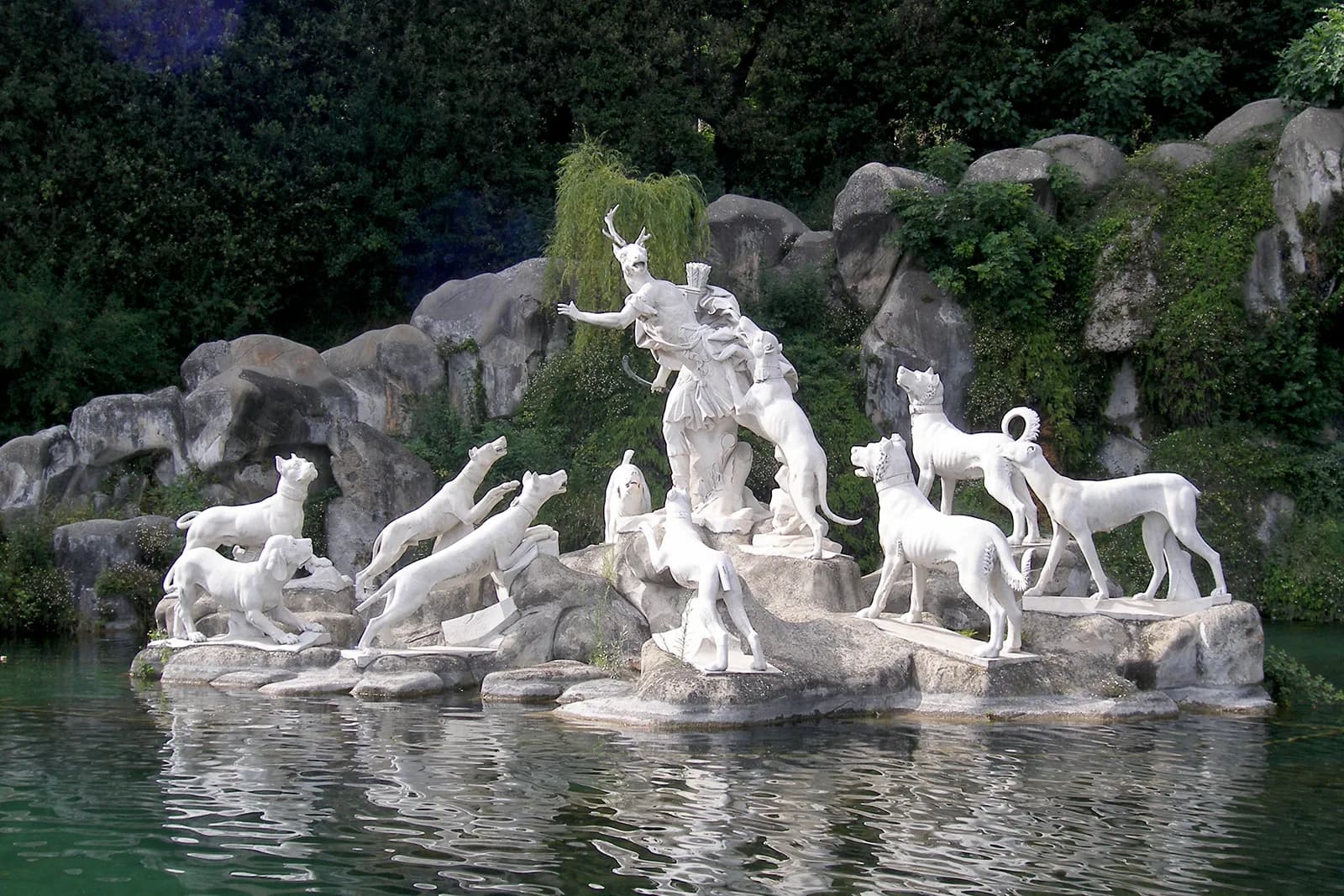
The Transgressive Gaze and Symbolic Tragedy: Actaeon's Myth in a Lacanian Framework
In Robert Graves’s reconstruction of the myth of Artemis, Actaeon accidentally glimpses the goddess bathing and is transformed into a stag, only to be torn apart by his own hounds. This tragedy not only embodies ancient taboos but also serves as a powerful allegory for Lacanian concepts of the gaze, desire, and the symbolic order. This paper reinterprets the myth of Actaeon through the lens of Lacan’s theory of the gaze, exploring its deep structure and its contemporary resonance in the digital age.
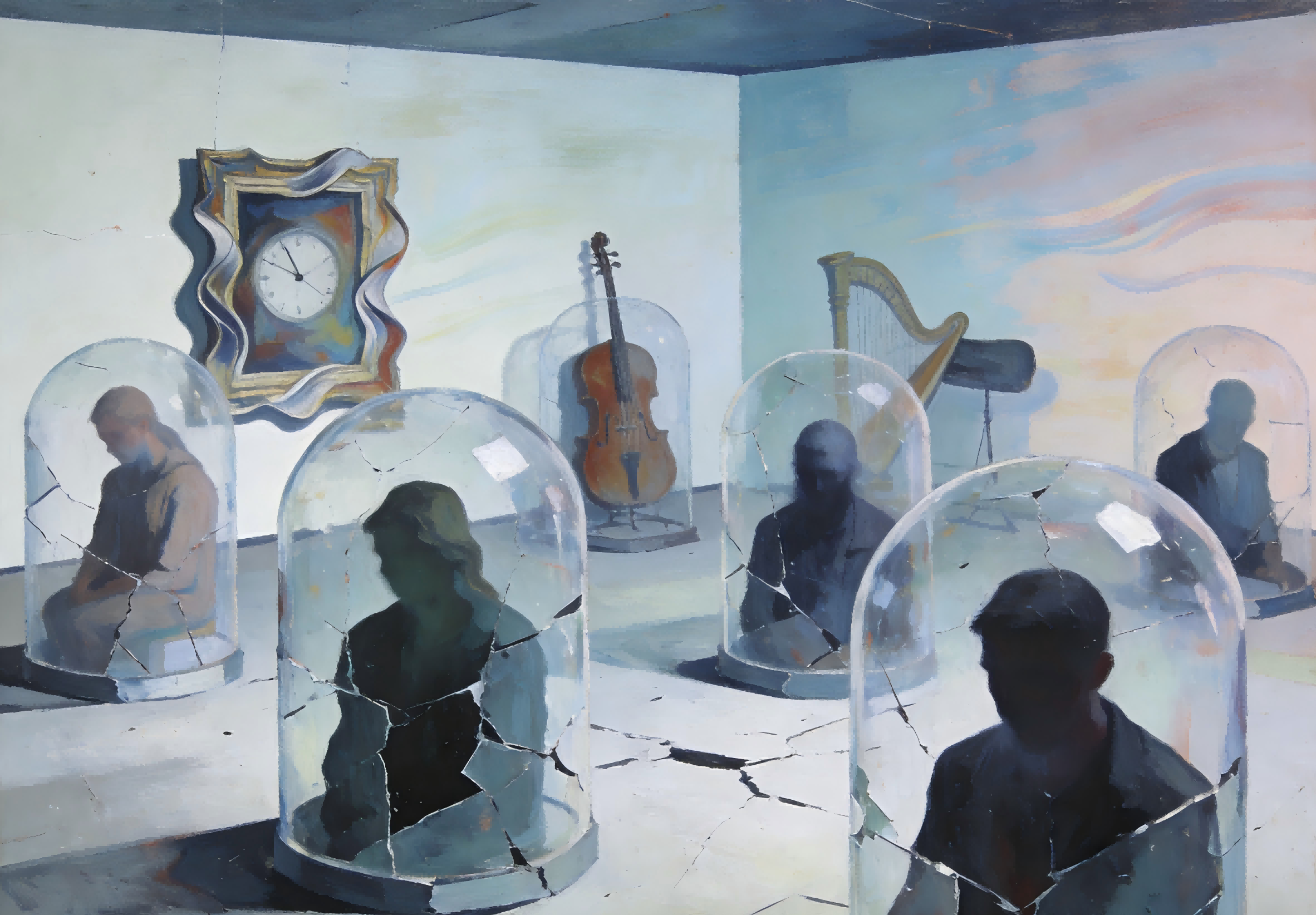
The Unconsoled: The Social Landscape Behind the "Impossibility of Communication"
Kazuo Ishiguro's experimental novel The Unconsoled explores the impossibility of communication in modern society, examining the alienation of art through commodification, the tyranny of time, and the homelessness of modern man, all within a dreamlike narrative structure.
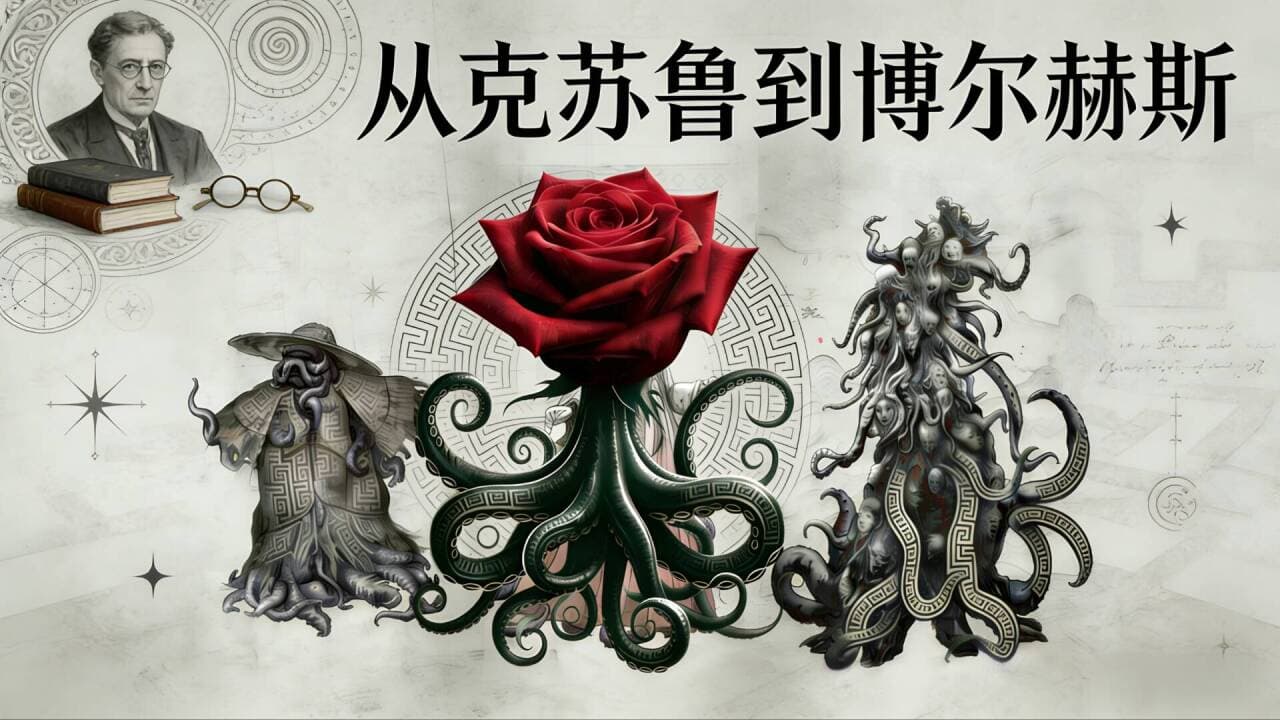
From Cthulhu to Borges: Cosmic Horror, Sublime Aesthetics, and Mythic Displacement in Modern Literature
This lecture explores the intellectual and aesthetic intersections between H.P. Lovecraft’s Cthulhu Mythos and Jorge Luis Borges’ literary oeuvre. It examines the 'horror sublime aesthetics' and the contemporary evolution of the Cthulhu Mythos in online literature through the framework of mythic displacement.
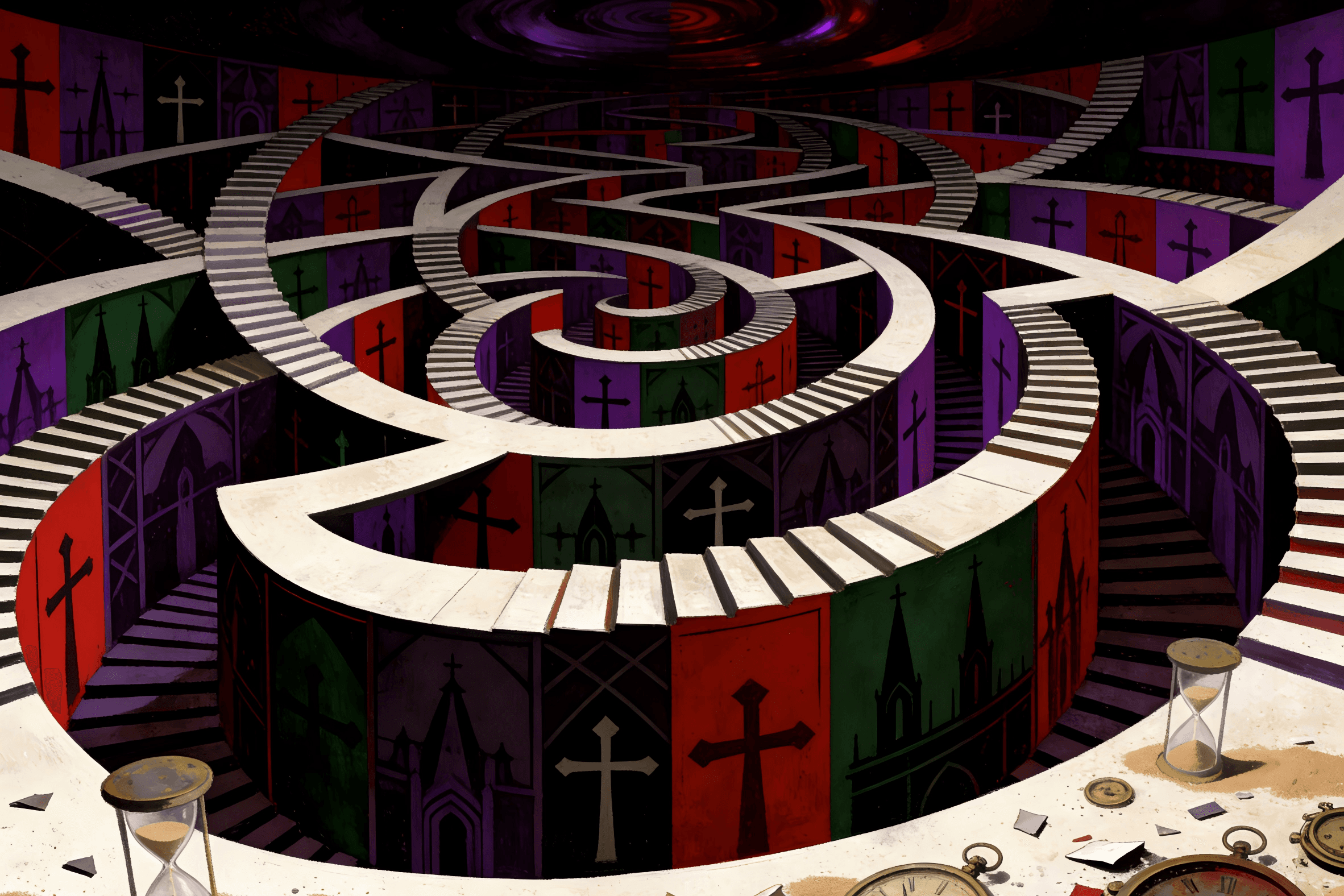
The Labyrinth in Borges's The Book of Sand
Jorge Luis Borges's works, whether fiction or poetry, seem to meticulously construct labyrinths. These labyrinths encompass themes such as "time," "religion," "infinity," and "nightmares," often leaving readers feeling disoriented and struggling to grasp a definitive meaning. The Book of Sand is no exception. However, if we carefully analyze the structure of these labyrinths, it is possible to uncover the underlying philosophical intentions and aesthetic pursuits.
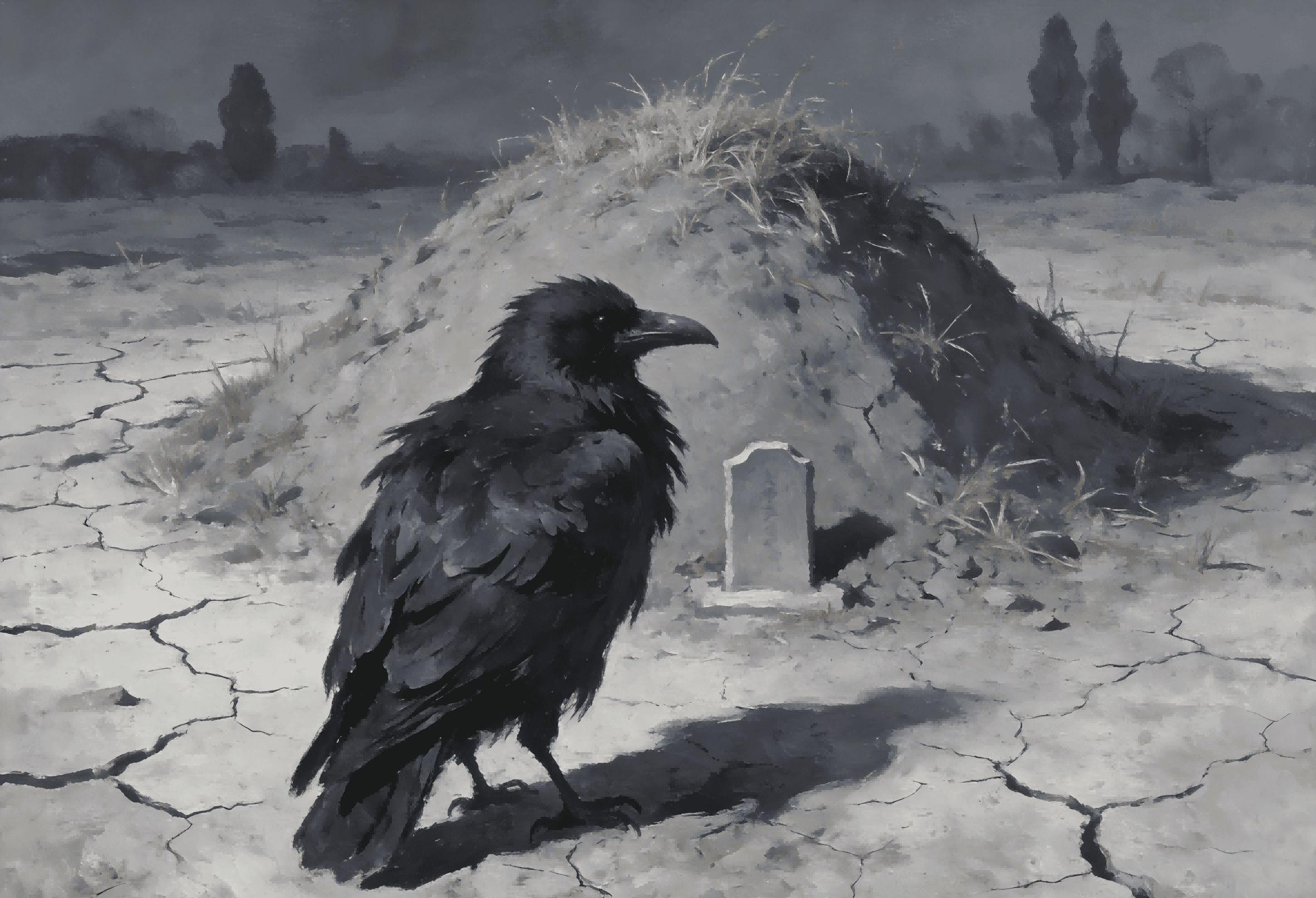
Rethinking the Imagery of the Crow in Lu Xun's Medicine
In this critical review, the author delves into the imagery of the crow in Lu Xun's short story Medicine, critiquing V. I. Semanova's theory of dual symbolism. By examining the crow's passive presence and eventual flight, the piece argues against over-interpretation and natural explanations, instead proposing the crow as a symbol of the indifferent and apathetic spectators in Chinese society. Drawing comparisons to Mori Ōgai's The Tower of Silence and Natsume Sōseki's I Am a Cat, the review highlights the crow's cold detachment as a reflection of the chilling social landscape Lu Xun depicted.
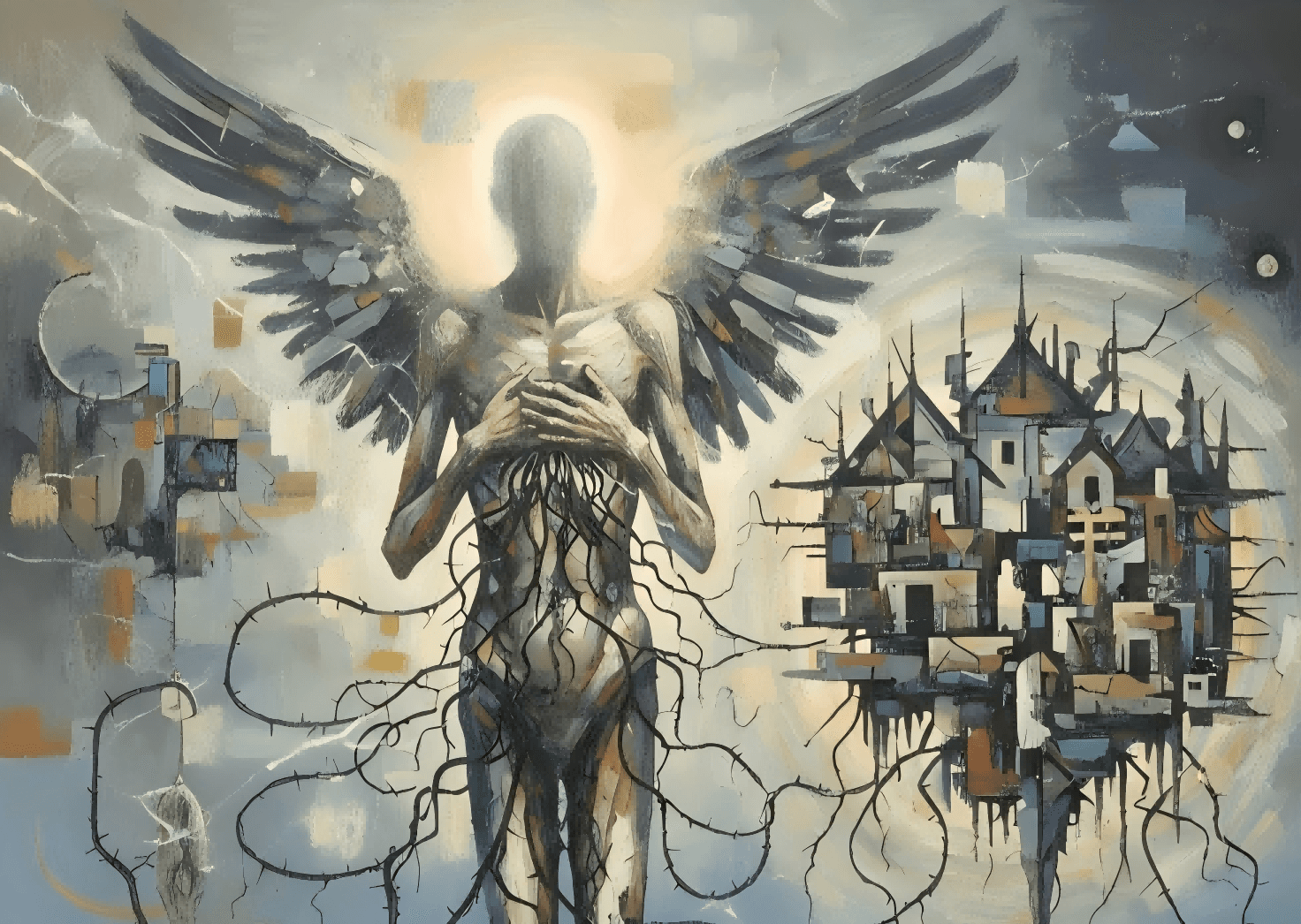
When the Homeland Becomes the Kingdom of the Hunger Angel: The Alienation of Heimat in Herta Müller’s The Hunger Angel
Herta Müller's The Hunger Angel, a key work for her Nobel Prize, controversially depicts post-WWII Soviet labor camps from the perspective of a 'non-eyewitness.' As a Romanian-German minority member, Müller portrays the trauma of her people, earning praise for depicting the 'landscape of the dispossessed' and exploring a displaced person's confusion, critique, and quest for homeland.
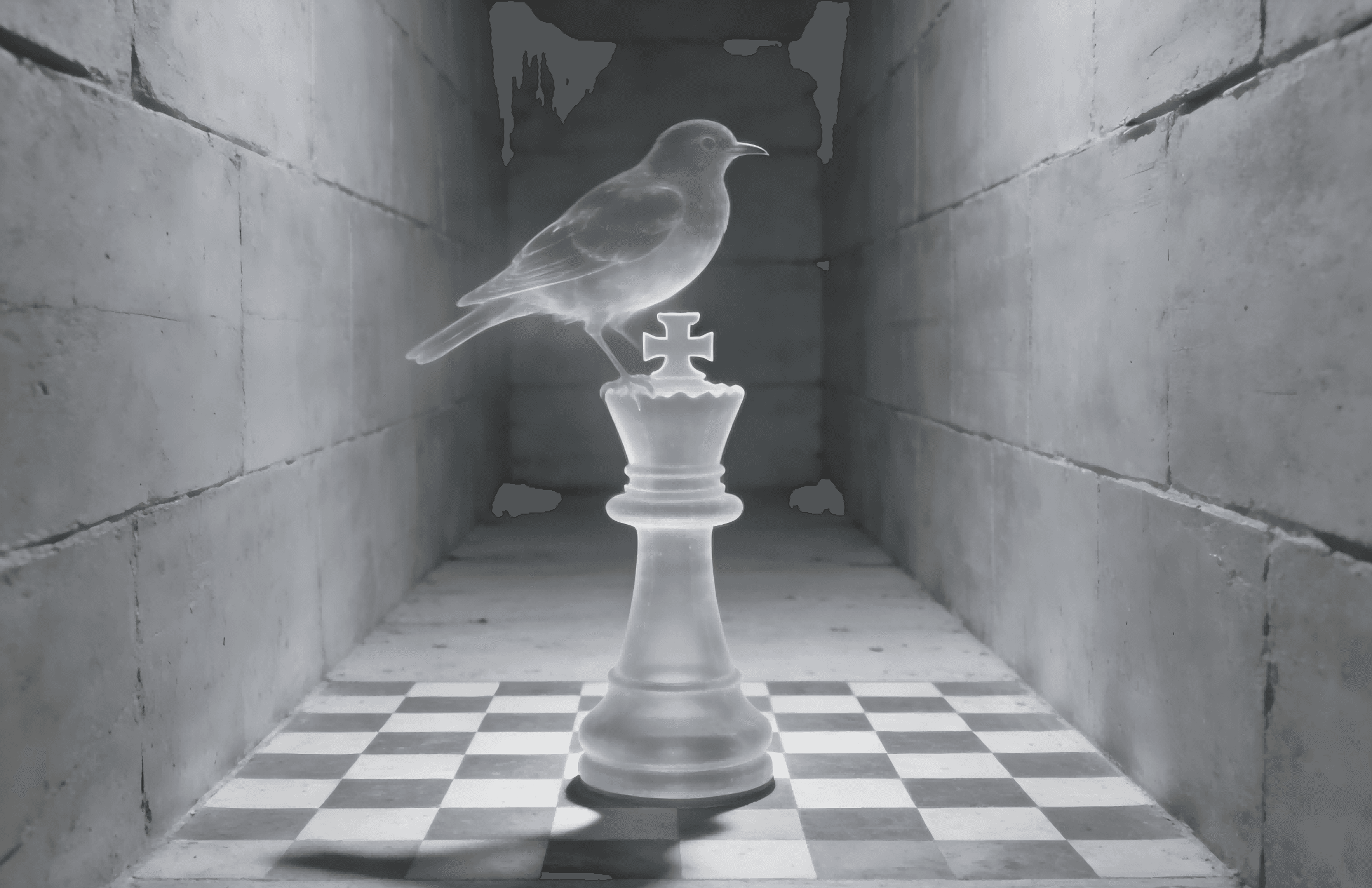
The Chess-Bird Will Not Leave Its Queen — Dream Metaphors within the Horizon of Herta Müller
This short review recounts a surreal experience in dream imbued with the literary style of Herta Müller, where familiar spaces become alien through grey walls and falsified maps, symbolizing systemic oppression. Through metaphors of chess pieces, subservient birds, and magnetic forces, it explores the fragmentation of self, the internalization of authority, and the painful attachment to imposed values in a high-pressure environment.
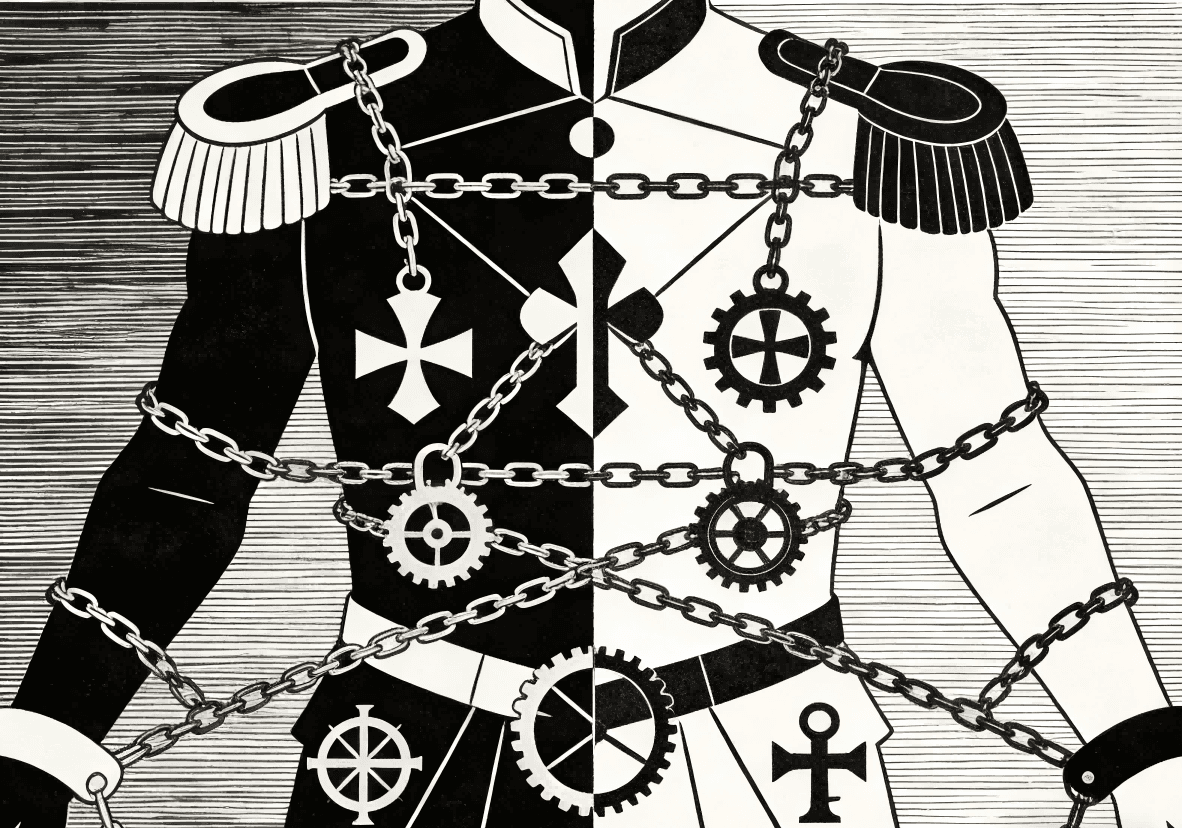
From The Cloven Viscount: An Analysis of the Symbolization of the Body
This essay analyzes Italo Calvino's novel The Cloven Viscount, exploring the symbolization of the body through the protagonist's division. It examines how power structures discipline the body, the inherent heterogeneity of human nature, and the path to wholeness through embracing contradictions, as embodied by the character Pamela.
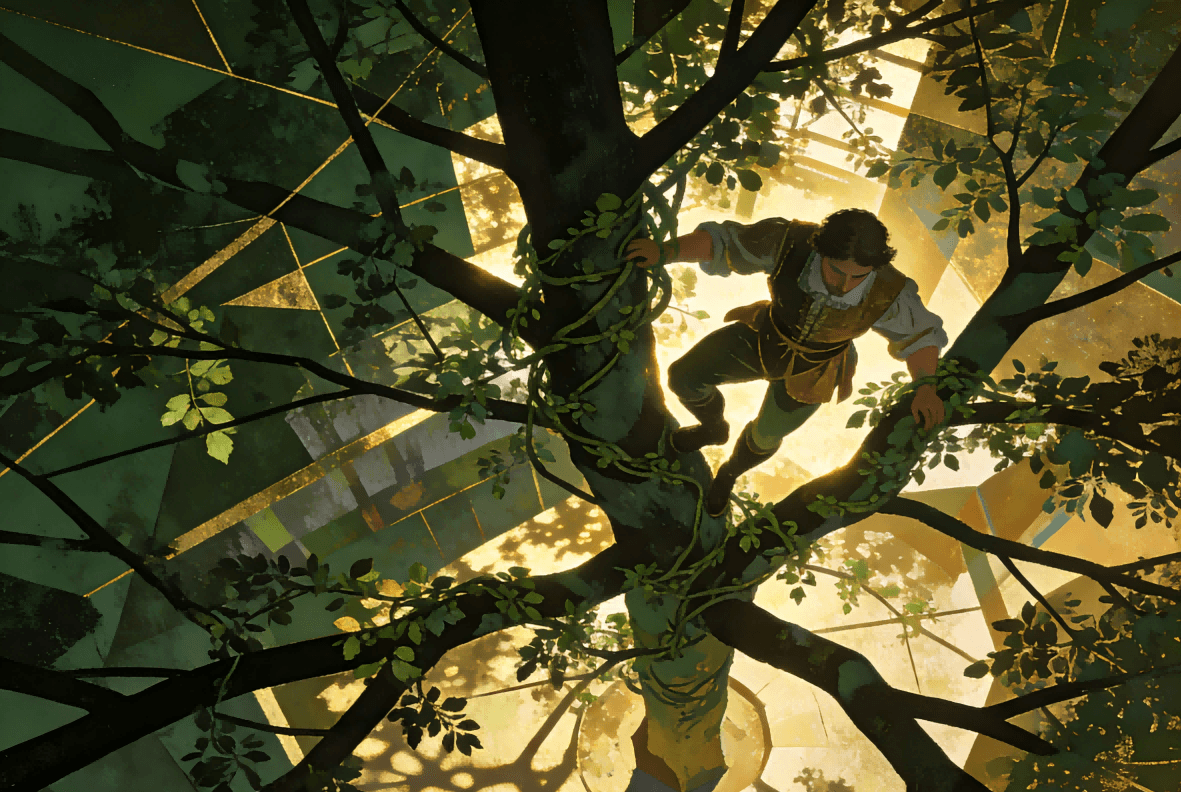
The Baron in the Trees: Calvino's Paradox of Human-Nature Relations
This essay explores Italo Calvino's novel The Baron in the Trees, examining the protagonist Cosimo's arboreal life as a metaphor for the complex interplay between humanity and nature. Through analysis of proximity, distance, and ecological awareness, it reveals Calvino's vision of a balanced coexistence that preserves both human essence and natural vitality.
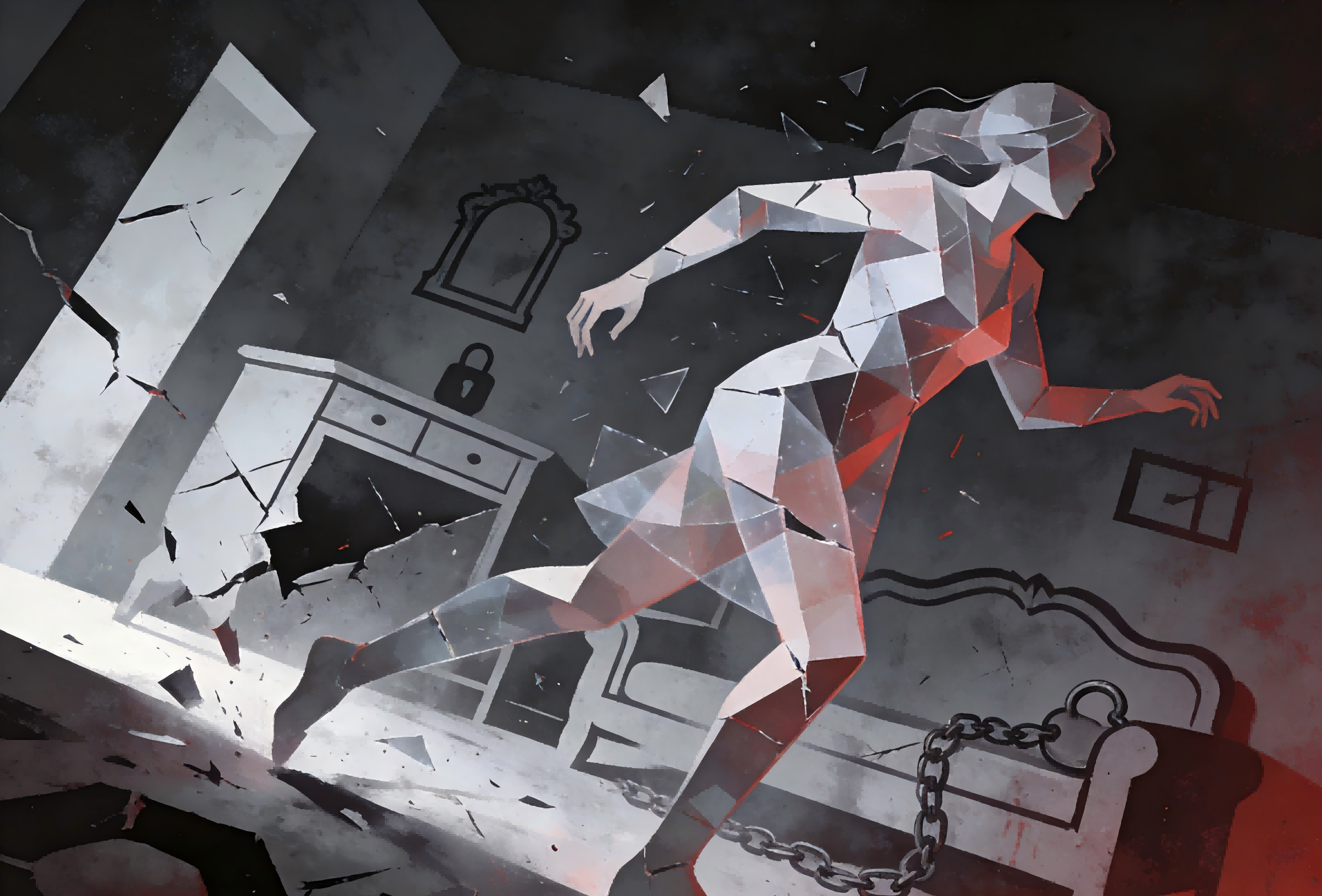
The Unattainable Beyond, the Incomplete Flight: Alice Munro’s Runaway and Lacan’s "objet petit a"
Alice Munro’s Runaway is a collection marked by an intense structural consciousness. Unlike many anthologies that simply aggregate a writer's representative works, Munro deliberately tethers eight short stories to a singular, cohesive theme: escape. As Eudora Welty observed: "[The stories] repeat themselves in all sorts of subtle ways, coming at a certain theme from different variations." In these narratives, characters flee from families or marriages, and the protagonists are almost exclusively women. Yet the outcomes of their flights are strikingly similar: they either end in tragedy or lapse into failure. At times, it is difficult to comprehend why some abandon a successful escape at the very last moment, or fall into deeper anguish after the fact. By utilizing Jacques Lacan’s concept of the objet petit a, we may find a more precise analytical path through these predicaments.
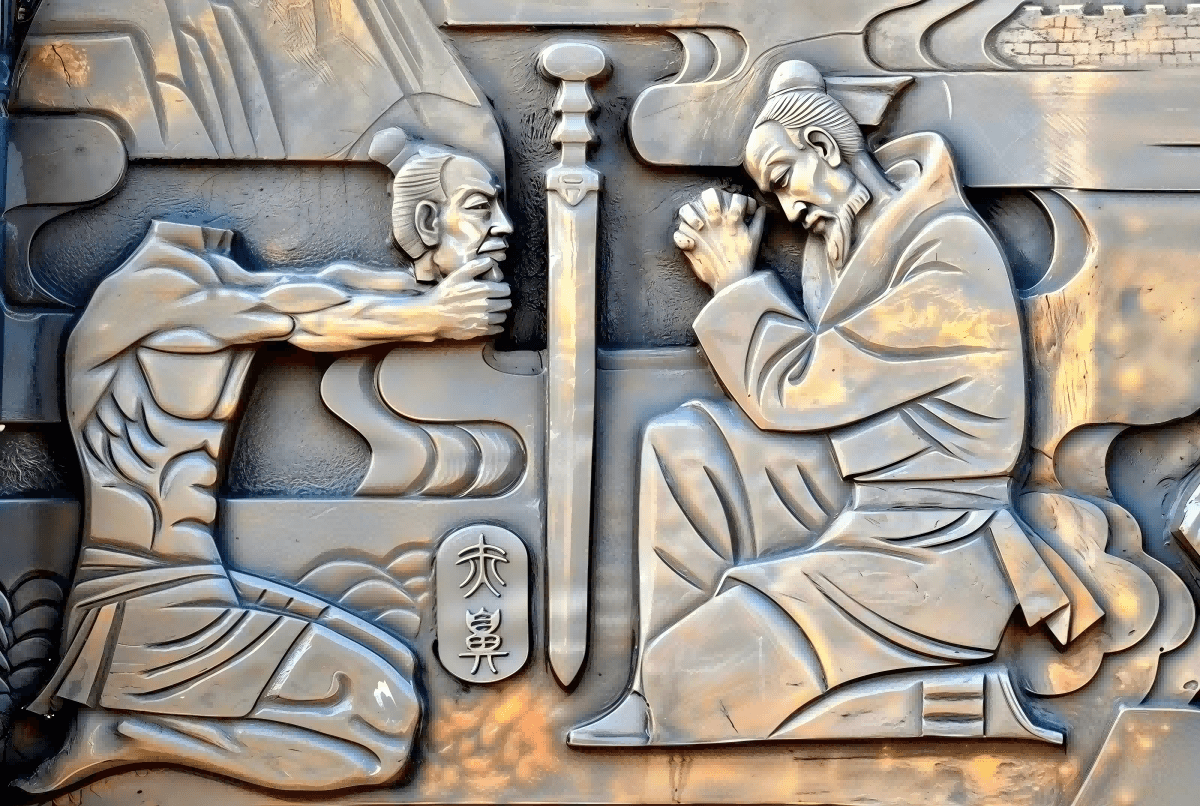
Interpreting the Poetry in "Forging the Swords"
This essay offers tentative interpretations of the enigmatic songs in Lu Xun's 'Forging the Swords,' exploring themes of love, revenge, blood, and profanation through close readings of key lines, while challenging simplistic translations and emphasizing the poems' role in the novella's artistic depth.

Aesthetics in The Temple of the Golden Pavilion
Yukio Mishima's The Temple of the Golden Pavilion embodies Japanese aesthetics of mono no aware, exploring the realization of eternity through destruction and the attainment of the ultimate in transient moments via character development.
The Textual Characteristic of Yuewei Caotang Biji: "Not Knowing"
As a representative work of literary sketches from the Qing Dynasty, Yuewei Caotang Biji (《阅微草堂笔记》) presents a narrative style that stands in stark contrast to Liaozhai Zhiyi (《聊斋志异》). While the latter emphasizes elaborate plots and character development, the former is noted for its brevity and succinctness. More uniquely, Ji Yun (纪昀), the author, frequently employs the expression "not knowing" (bu zhi, 不知) within the narrative. This technique not only obscures character identities and event causalities but also subtly enhances the text's sense of authenticity and philosophical depth. This seemingly ambiguous narrative approach is, in fact, a deliberately crafted expressive strategy by the author, carrying rich literary and intellectual connotations.
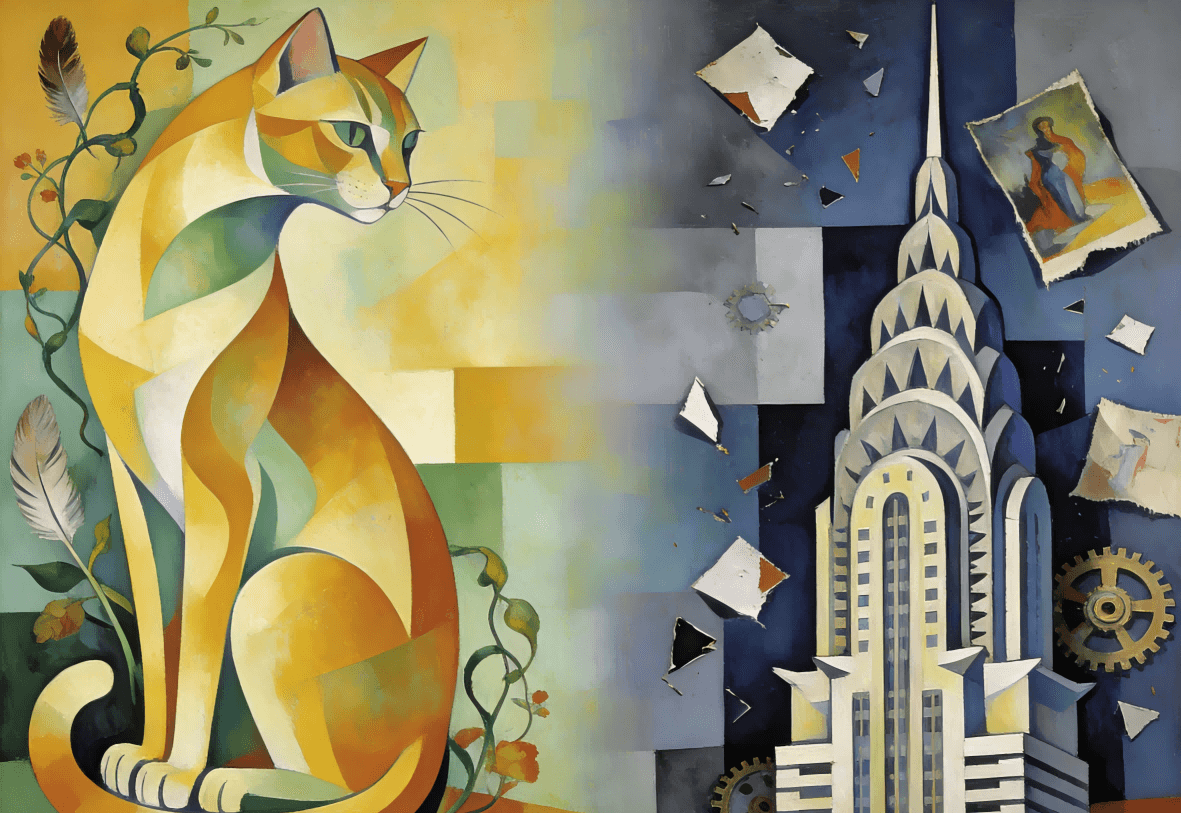
A Comparison of Two Artists' Philosophies of Life in The Life and Opinions of the Tomcat Murr
E.T.A. Hoffmann's late masterpiece, The Life and Opinions of the Tomcat Murr, features a dual narrative contrasting the tomcat Murr's humorous rise as an 'artist' with the tragic life of musician Johannes Kreisler, reflecting the artist's struggle between reality and idealism.
The Inheritance and Legacy of the Chuci — A Literary Transition that Has Been Overlooked
This presentation challenges Fu Sinian's view that the Chuci (《楚辞》) is isolated from the mainstream literary lineage. It argues that the Chuci serves as a transitional bridge: inheriting the Shijing's (《诗经》) phrasing and analogical methods (bixing, 比兴), absorbing influences from Qi remonstrance literature (Qi feng, 齐讽), and shaping Han dynasty Sao-style fu (骚体赋). Ultimately, it restores the Chuci as both inheritor of ancient traditions and progenitor of new literary forms.
From Euclid to Yoneda, from Plato to Lacan — Signs, Structures, and the Unsayable
This lecture maps an intellectual journey from Euclid to Yoneda, where mathematical objects are defined by relational networks—captured in the Yoneda Lemma—and into Lacan, where the subject is trapped in a signifying chain unable to fully capture reality. It examines the paradox of symbolization: tools meant to simplify instead create new complexities, building bridges that are also walls—ultimately reflecting on the boundary between the articulated and the eternally unsayable.

Poetry as the Religion of the Chinese
This short review explores Lin Yutang's assertion that poetry serves as the religion of the Chinese, examining parallels between poetry and religion in terms of spiritual solace and social control, while drawing comparisons to Zen Buddhism and reflecting on poetry's role in modern life.